🚚 Free delivery from €69 — batches tested in real time  |  🇪🇺 Pharmaceutical grade · European GMP manufacturing  |  🌿 Certified Organic

Organic Acerola

Natural Vitamin C Source — Certified Organic

18.00 € TTC
Organic Vegan Gluten-Free Raw

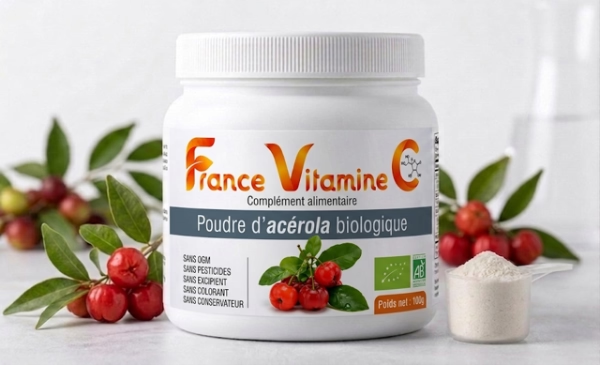
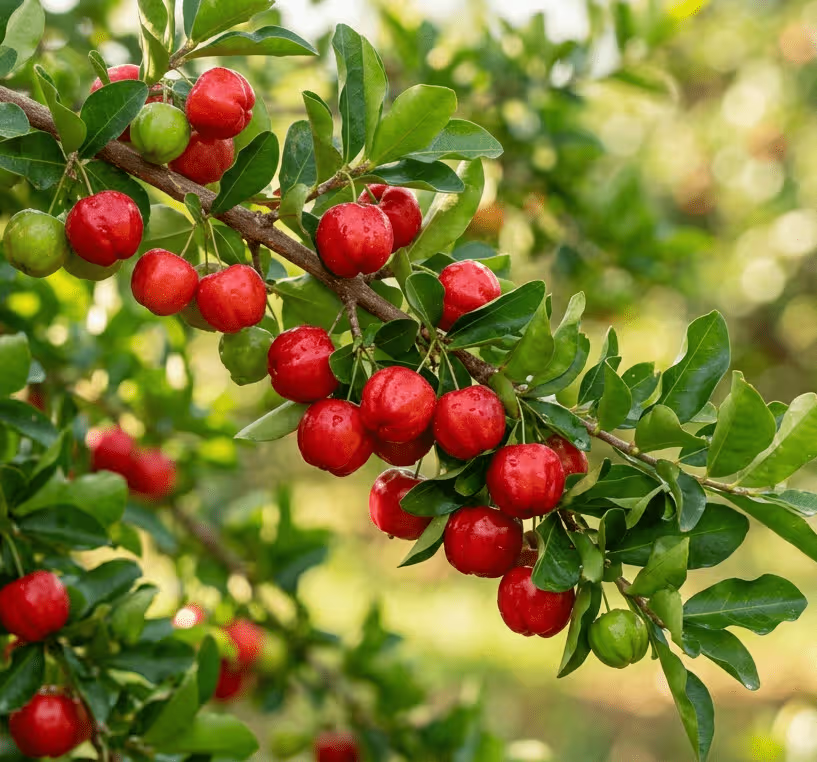
Our Organic Acerola is a small red fruit from South America, one of the richest natural sources of vitamin C.

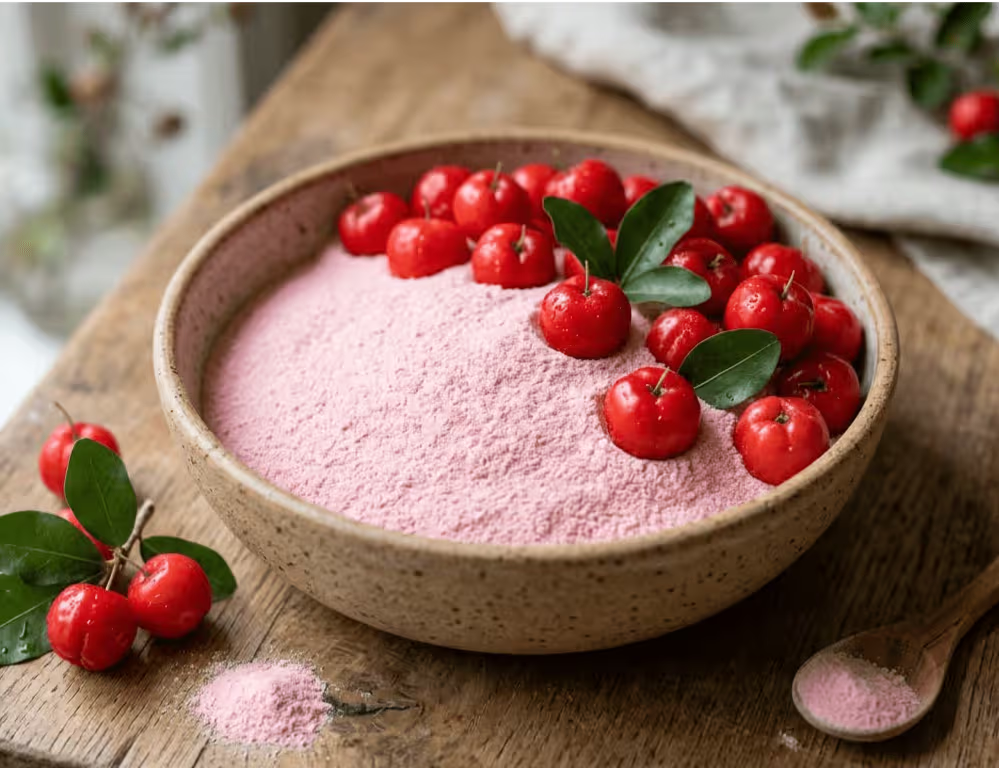
Our organically grown powder is naturally rich in vitamin C and contains the fruit's natural compounds (bioflavonoids, carotenoids).

  • 🍒 Whole fruit, cold-dried and ground
  • 🌿 Certified Organic
  • 🇧🇷 Origin: Brazil
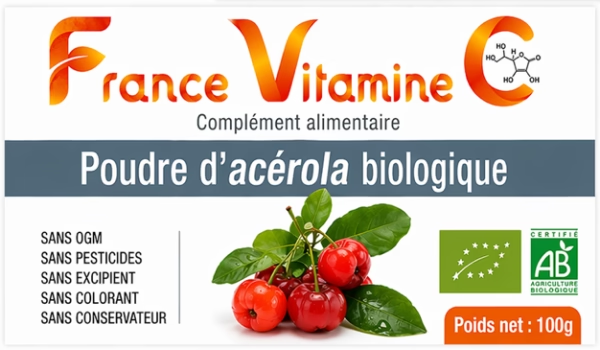
  • 💚 100% natural, no additives

Benefits

Vitamin C:

  • contributes to the normal function of the immune system;
  • contributes to the reduction of tiredness and fatigue;
  • contributes to the protection of cells from oxidative stress;
  • contributes to normal collagen formation.

Directions for use

Take 2 to 5g per day (1 to 2 teaspoons), dissolved in a glass of water, juice or added to a smoothie. Slightly tangy and fruity flavour.

Can be sprinkled on yoghurt or incorporated into your recipes. Do not heat to preserve vitamins.

Ingredients

100% Organic Acerola fruit powder (Malpighia glabra).

Indicative nutritional values per 100g

NutrientPer 100g
Natural vitamin C17,000 – 25,000 mg
BioflavonoidsNaturally present

Origin: Brazil — Certified Organic AB / EU Organic

What you buy. Nothing more.

📋
Certificate of analysis available

Every batch is tested. Results provided on request.

🧪
Single-ingredient formula

100% organic acerola fruit powder. No fillers, no additives.

🇪🇺
European traceability

Identified manufacturer. Documented supply chain.

⚖️
EU regulation compliant

DGCCRF registered. Labelling compliant with EU Regulation 1169/2011.

Both provide the same molecule, L-ascorbic acid. Acerola delivers it within the fruit matrix, alongside bioflavonoids and polyphenols; the pure powder allows exact dosing and a lower cost per gram. The choice depends on what you are looking for, not on one being superior to the other.
Between 17,000 and 25,000 mg per 100 g, that is 170 to 250 mg per gram. A level teaspoon, around 3 g, therefore provides 510 to 750 mg of vitamin C. The value measured for the batch is shown on the label.
0.5 to 1 g of powder covers the nutritional reference value of 110 mg per day set by ANSES for adults. For a higher antioxidant intake, 1 to 3 g per day are commonly used, that is 170 to 750 mg of vitamin C. EFSA has not set an upper safe limit; the US authority uses 2,000 mg per day from all sources combined.
Tart and fruity, sharp but pleasant. It mixes easily into a fruit juice, a smoothie or a yoghurt, and pairs well with sweet fruit.
Organic certification guarantees the absence of synthetic pesticides and GMOs, in growing as well as in processing. It does not change the vitamin C content, which depends first on the variety, on ripeness at harvest and on the drying process.
Yes, from coral red to a lighter shade, depending on the harvest and the season. That is typical of an uncoloured fruit powder. It says nothing about the vitamin C content, which is measured batch by batch.
Yes, it mixes with most powders and supplements. Taken with the same meal, it supports the absorption of iron from plant sources. Simply take the total vitamin C dose into account if several products provide it.
Away from light, moisture and heat, in its pouch or jar tightly resealed. Vitamin C oxidises on contact with air: use a dry spoon. Once opened, allow 6 to 12 months depending on storage conditions.

Chargement des avis…